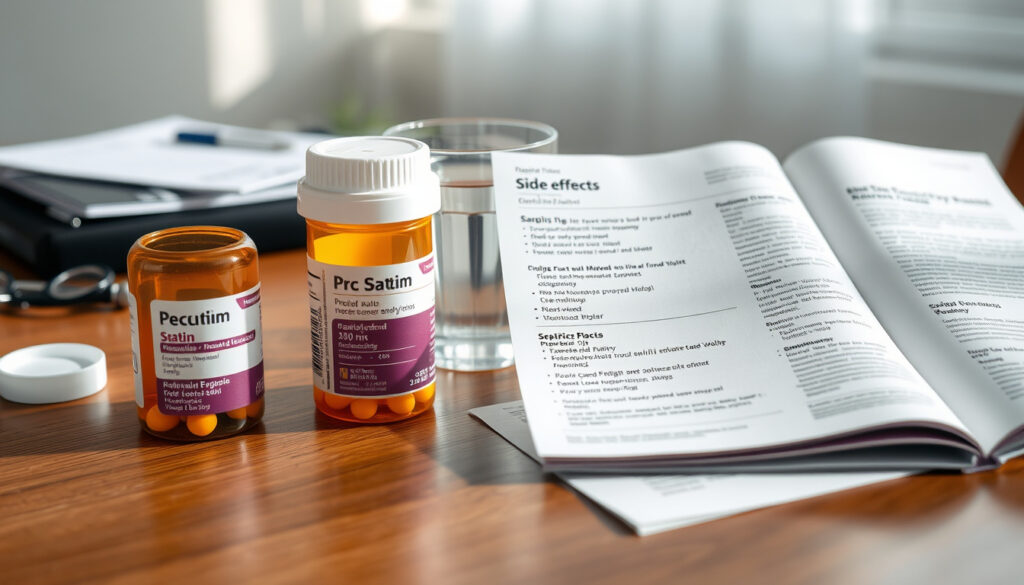
Side Effect of Statin in Female – What Every Woman Need to Know
Long term side effects of statins in females
Heart disease remains a leading cause of death for women, and statins are among the most prescribed medications for managing cholesterol and reducing cardiovascular risk. Yet many women have questions about what to expect when taking these drugs, particularly around long-term use and sex-specific side effects. Understanding the difference between well-established risks and symptoms that may be incorrectly blamed on statins is key to making informed decisions.
The best-supported side effects of statins in females include muscle symptoms, digestive upset, and a small increase in blood sugar and diabetes risk. A major 2026 review by the British Heart Foundation (BHF) and Oxford University found that many other symptoms commonly listed on patient leaflets—such as weight gain, memory loss, and sleep problems—may not actually be caused by statins in most people.
The sections below break down what current evidence says about atorvastatin, long-term risks, what happens when you stop, and common myths.
Key Facts: Statins and Side Effects in Women
Who Should Consider Statins? Women with high LDL cholesterol, diabetes, or established heart disease may benefit. Statins reduce heart attack risk by 25–35%.
Common Side Effects in Women Muscle aches, joint pain, headache, digestive discomfort, fatigue. Most are mild and resolve over time.
Long-Term Risks Small increased risk of type 2 diabetes, rare liver enzyme elevation. No proven link to memory loss or breast cancer in large studies.
Myths & Controversies Statins are not banned in Europe. Cardiologist opposition is rare; most guidelines strongly recommend statins for high-risk patients.
Key Insights on Statin Use in Women
- Statins are safe and effective for most women, and the benefits outweigh risks for those with established cardiovascular disease or high risk.
- Muscle pain is the most commonly reported side effect, but randomized trials show only a small excess risk (~1–2%) compared to placebo.
- Women may experience slightly higher rates of myalgia than men, possibly due to body composition or hormonal differences.
- Stopping statins suddenly can cause a rebound increase in cholesterol and inflammation, raising short-term risk of heart attack or stroke.
- The “statins banned in Europe” myth stems from misinterpretation of older regulations; all major European health agencies recommend statins.
Snapshot: Side Effects of Statins in Females
| Side Effect | Frequency | Notes |
|---|---|---|
| Muscle aches/pain | 5–10% (trials); up to 20% (observational) | Often temporary; may involve nocebo effect; stop and consult doctor if severe |
| Headache | Common (approx. 5–7%) | Usually mild; rest and hydration help |
| Nausea / indigestion | Common | Taking with food and avoiding rich/spicy meals can reduce |
| Muscle breakdown (rhabdomyolysis) | Very rare (<0.1%) | Medical emergency; symptoms include severe muscle pain and dark urine |
| New-onset diabetes | Small increase (0.1–0.3% per year) | Risk higher in women with prediabetes; benefits still outweigh in high-risk women |
| Liver enzyme elevation | 1–3% | Usually asymptomatic and reversible; routine monitoring recommended |
| Memory loss / fogginess | Rare (<1%) | Anecdotal; large studies show no significant difference from placebo |
Atorvastatin side effects in females
What are the bad side effects of atorvastatin?
The NHS lists nausea, indigestion, headaches, and muscle pain as common side effects of atorvastatin. Diarrhea or constipation may also occur occasionally. Most of these effects are mild and tend to improve as the body adjusts to the medication.
Serious side effects are uncommon but require immediate medical attention. These include unexplained muscle pain or weakness, yellowing of the eyes or skin (jaundice), severe stomach pain, lung problems, and allergic reactions. The risk of serious muscle breakdown, known as rhabdomyolysis, is extremely low—occurring in fewer than 0.1% of users—but is higher when statins are taken with certain other medications.
Contact a doctor immediately if you experience severe muscle pain, dark urine, yellowing of the skin or eyes, or signs of an allergic reaction such as swelling of the face or difficulty breathing. These symptoms are rare but can indicate a serious reaction requiring prompt treatment.
Side effects of stopping statins suddenly
Some women consider stopping statins because they believe the medication is causing unwanted symptoms. However, discontinuing statins without medical advice can be risky.
What happens when you stop statins suddenly?
The NHS and other sources advise against stopping abruptly. When statins are discontinued, cholesterol levels can rise back to—or even above—previous levels. Inflammation markers may also increase, potentially raising the short-term risk of a heart attack or stroke. This effect is sometimes called a “rebound” phenomenon.
Always speak to your doctor before stopping. A blood test can help determine whether muscle symptoms are related to the statin or another cause. Often, switching to a different statin like rosuvastatin or pravastatin, or adjusting the dose, can resolve the issue. Most statin side effects are manageable without stopping treatment entirely.
Are statins banned in Europe?
Cardiologists against statins: fact or misconception?
The claim that statins are banned in Europe is not accurate. Atorvastatin and other statins remain widely prescribed across the UK and European Union, including in official NHS guidance. The European Medicines Agency (EMA) has reaffirmed the safety and effectiveness of statins, noting no basis for a ban.
Opposition to statins among cardiologists is rare. Major professional societies, including the European Society of Cardiology and the American Heart Association, strongly recommend statins for patients at high risk of cardiovascular events. A small number of voices have raised concerns about overprescription, but this does not reflect a broad consensus against the drug class.
Myth: Statins are banned in Europe because of dangerous side effects. Fact: Statins are approved and widely used throughout Europe. The confusion may stem from older regulatory changes involving a different, withdrawn statin (cerivastatin, 2001) and unrelated herbal medicine bans.
Best statin for women
There is no single best statin for all women. The choice of statin—whether atorvastatin, rosuvastatin, simvastatin, or pravastatin—depends on several individual factors. These include the patient’s LDL cholesterol level, overall heart disease risk, potential drug interactions, tolerance, pregnancy plans, and whether statin therapy is even necessary.
Some women tolerate one statin better than another. For example, rosuvastatin and pravastatin are sometimes preferred in women who experience muscle pain with atorvastatin. However, no large-scale evidence suggests one type is universally better for women across the board. Dosing adjustments and close monitoring are standard practice, especially for women over 65 or those on multiple medications.
Timeline of Statin Safety Research and Regulatory Updates
- : First statin (lovastatin) approved by FDA
- : Cerivastatin withdrawn due to high rhabdomyolysis risk; leads to stricter monitoring
- : FDA adds label warning about increased blood sugar and diabetes risk
- : Large meta-analysis confirms no association with cancer or memory loss
- : Ongoing research on sex-specific effects; multiple observational studies suggest statins are safe for premenopausal women
- : European Medicines Agency reaffirms safety; no bans or restrictions beyond standard monitoring
Certainty vs. Uncertainty: What We Know About Statin Side Effects in Women
| Established information | Information that remains unclear |
|---|---|
| Statins significantly reduce cardiovascular events in high-risk women | Whether mild muscle aches are directly caused by statins or by perception (nocebo effect) |
| Muscle pain is reported by some users, but causal link is often uncertain | Whether memory loss is a true side effect vs. age-related changes |
| Rhabdomyolysis is extremely rare and more common with drug interactions | The exact mechanism behind increased diabetes risk in women |
| Stopping statins abruptly can be dangerous | Whether long-term use (>10 years) has any unique risks in women |
Analysis and Context: Why Statin Side Effects May Differ in Women
Women generally have lower body weight and higher body fat percentage than men, which can affect how statins are processed in the body. Some studies indicate that women achieve higher plasma levels of certain statins, potentially increasing the likelihood of dose-related side effects. Hormonal fluctuations during menstruation, pregnancy, and menopause may also influence drug metabolism.
Additionally, women are more likely to report symptoms in clinical settings, which can skew observational data and make side effects appear more common than they are in controlled trials. Despite these differences, large randomized trials have not found a consistent increase in serious adverse events among women compared to men.
Authoritative Sources and Key Quotations
“Statins are effective and safe for most people, but they have been linked to muscle pain, digestive problems, and mental fuzziness in some people.”
“Weight gain, headaches, feeling or being sick, sleep problems, erectile dysfunction, memory loss, depression are listed as possible side effects.”
“Feeling sick (nausea) or indigestion… headaches… common side effects of atorvastatin.”
What’s Next? Ongoing Research and Practical Steps
Ongoing research continues to explore how statins affect women differently, particularly around hormonal interactions and long-term metabolic effects. For women currently taking or considering statins, several practical steps can help manage the treatment experience and ensure the best outcomes.
- If you experience muscle pain, talk to your doctor before stopping statins — a blood test can rule out rare serious causes.
- Consider a different statin or lower dose; some women tolerate rosuvastatin or pravastatin better.
- Stay active and maintain a heart-healthy diet to reduce overall risk and possibly lower the statin dose needed.
- Monitor blood sugar if you have prediabetes or metabolic syndrome.
- Follow updated guidelines from the American Heart Association or European Society of Cardiology.
Frequently Asked Questions
Can statins cause weight gain in women?
Weight gain is widely reported by patients, but the 2026 BHF review found that weight gain may not actually be caused by statins in most cases. Other causes should be considered.
Do statins affect female hormones?
Statins can theoretically influence steroid hormone pathways, but the evidence does not support major hormone disruption in premenopausal women. Atorvastatin is not strongly linked to hormonal side effects.
Can statins cause breast pain in women?
Breast pain is not a well-established side effect of statins in major guidance sources. If it occurs, it should be evaluated for other causes rather than assumed to be from the medication.
Should I take statins if I am trying to get pregnant?
Atorvastatin should not be used during pregnancy. Women planning pregnancy should discuss stopping or switching to a safer option beforehand with their doctor.
How long should I stay on statins?
Statins are commonly used long-term. They are generally safe for extended therapy, with regular monitoring for muscle symptoms, liver function, and glucose changes.
Is memory loss a common side effect of statins in women?
Memory loss is not common in large studies. While FDA warnings and case reports exist, large reviews have found no consistent cause-effect relationship. Any reported effects are often reversible after stopping.
What is the nocebo effect in relation to statins?
The nocebo effect refers to side effects that occur because a person expects them, not because the drug directly causes them. Some statin side effects, particularly mild muscle aches, may be influenced by this phenomenon.
Can statins increase blood sugar in women?
Yes, statins can slightly raise blood sugar and increase the risk of type 2 diabetes. The effect is usually small, but it is clinically relevant for women who already have risk factors like prediabetes.
More related posts
 Premier League Standings Table 2025-2026 – Final Results and Analysis
 East Midlands Airport Lounge – Access, Prices and Booking Guide
 Tottenham vs Villarreal CF Stats – H2H Record and Match Insights
 Alix Earle – Biography, Age, Net Worth, and Boyfriend (2025)
 Philadelphia Eagles vs 49ers Match Player Stats – Key Stats
 Shetland TV Series – Complete Cast and Seasons Guide
 How to Scan QR Code – iPhone Android PC Guide
 Lewis Capaldi Ex Girlfriend – Paige Turley Song Story